
Banner Types Explained: Choosing the Right One for Your Melbourne Business
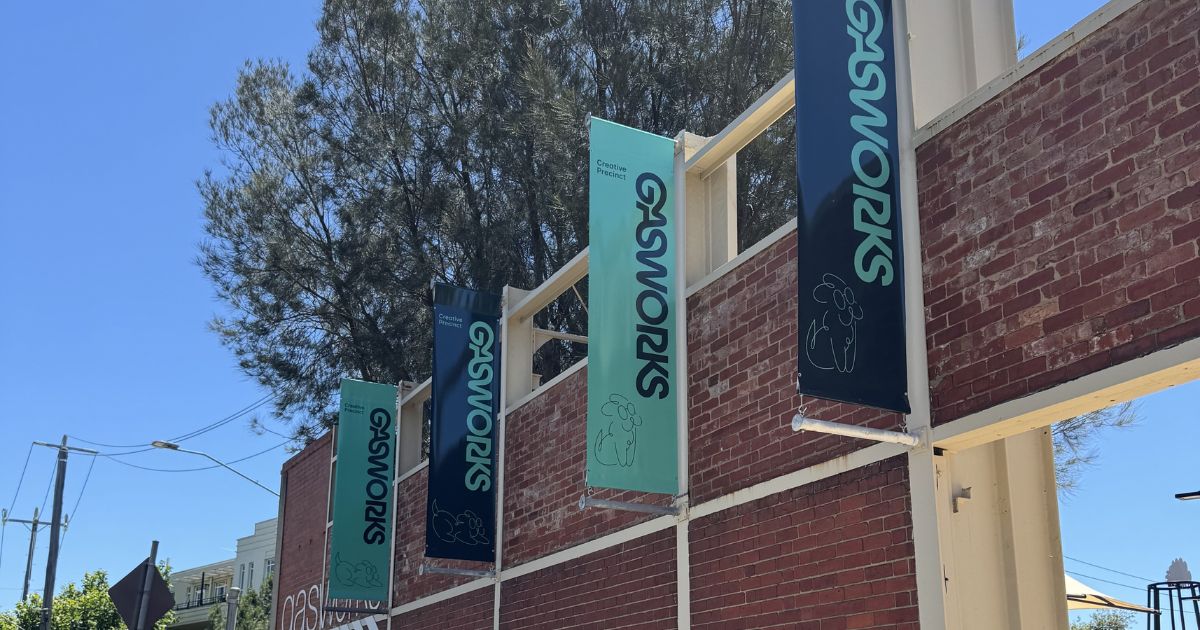
You have a big sale coming up. Or perhaps you are launching a new range at your bakery in Ascot Vale. Maybe you need to direct customers to a temporary entrance while your cafe in Fitzroy undergoes a makeover. Whatever the occasion, your first thought is probably: "I need a banner."
But then you start looking at options. Vinyl? Mesh? Fabric? Retractable? Each one looks different, costs different, and seems to suit a different job. How do you choose?
Understanding Different Banner Types: Finding the Right Fit for Your Business Needs
Let me walk you through the most common banner types, where they shine, and how to avoid the classic mistakes that leave you with a flapping mess rather than a professional display. By the end, you will know exactly which custom banner to call for—and which to leave on the shelf.
- Vinyl Banners: The Workhorse of Outdoor Advertising
For outdoor advertising in Melbourne, vinyl remains the most widely used banner material — and with good reason. Constructed from durable PVC with reinforced hems and metal eyelets, vinyl banners are engineered to withstand wind, rain, and the city's notoriously variable weather.
Best for: Outdoor applications — fence-mounted banners, building wraps, and pole-to-pole displays. A butcher in Brunswick advertising weekly specials, or a gym in Coburg promoting membership offers to passing traffic, will both find vinyl a practical and cost-effective choice.
Where to use it: Along busy roads in Footscray, above shopfronts in Northcote, or tied to scaffolding outside a restaurant in South Yarra.
How to get it right: Quality finishing is essential. Properly hemmed edges and an adequate number of eyelets prevent wind from stressing the material and distorting the display. Viewing distance is equally important — text that appears legible on screen can become difficult to read from across a road. Keep messaging concise, fonts large, and calls to action prominent.
A two-by-one-metre vinyl banner at the entrance of a supermarket in Sunshine can be highly effective, provided it is correctly secured and professionally presented.
2. Mesh Banners: The Practical Choice for High-Wind Locations
Solid vinyl panels and strong winds are an uncomfortable combination. Wind pressure builds behind a solid surface, placing significant stress on fixings and risking damage to both the banner and its mounting points.
Mesh banners address this directly. Micro-perforations across the surface allow air to pass through freely, while the printed graphic remains clearly visible from a normal viewing distance. The result is a display that maintains its integrity in conditions that would compromise a conventional vinyl banner.
Best for: Locations with significant wind exposure. Think Melbourne Airport approach roads, the West Gate Bridge area, or anywhere along the coast like Williamstown or St. Kilda.
Where to use it: Construction site hoardings, stadium fencing, or any outdoor location where a solid banner would rip or stress its fixings.
How to get it right: Because the material has holes, contrast is your friend. Dark text on a light background reads much better than the reverse. Also, keep fine details to a minimum. Those tiny holes will eat up delicate patterns or small fonts.
A property developer with a site in Truganina might use a large mesh banner on the perimeter fence. It shows the artist's impression of the new development, lets the wind blow straight through, and stays intact for the entire eighteen-month build.
3. Fabric Banners: Premium Look for Indoor Spaces
Let us move inside. If vinyl is your workwear, fabric banners are your suit jacket. They look more elegant, feel nicer to the touch, and photograph beautifully.
Made from polyester or woven fabric, these banners are lightweight, wrinkle-resistant, and produce incredibly sharp digitally printed signage. They do not have the plastic sheen of vinyl, so colours appear softer and more natural.
Best for: Indoor events, trade shows, retail interiors, and any space where you want to impress. A jewellery store in Brighton might use fabric banners for a seasonal campaign. An architect's office in South Yarra could display project images on fabric panels that look like art rather than advertising.
Where to use it: Reception areas, exhibition halls, conference rooms, or hanging from ceilings in Docklands office lobbies.
How to get it right: Fabric banners often use different finishing methods than vinyl. You might see them with pole pockets for rods, zippered edges for tension fabric systems, or simply hemmed for hanging. Work with a banner maker who understands these options. Also, consider lighting. Fabric can look stunning when backlit, creating a soft glow that draws the eye.
A bookstore in Carlton hosting an author event could hang fabric banners announcing the guest. They look professional, roll up without creasing, and can be stored and reused for future events.
4. Retractable Banners: The Portable Powerhouse
You know those banners that pop up out of a stand and retract back into a base? That is the retractable banner, also called a roll-up or pull-up banner. They are the ultimate solution for businesses that need professional displays on the go.
Best for: Trade shows, markets, presentations, and any situation where you need to pack up and move quickly. A graphic designer in North Melbourne is attending a networking event. A pet grooming business is setting up at a community fair in Elwood.
Where to use it: Exhibition halls, hotel conference rooms, school gymnasiums, or even just in your own reception area as an interchangeable display.
How to get it right: The graphic is printed on a flexible substrate that wraps around a spring-loaded roller. When you need it, pull it up and lock it. When you are done, release and let it retract. The key is ensuring your design fits the aspect ratio of the stand. Most retractable banners are tall and narrow, so your layout needs to work in portrait orientation. Keep your logo at the top, your key message in the middle, and your contact details at the bottom where people can read them up close.
A medical clinic in Parkville might use retractable banners at community health fairs. They look polished, set up in seconds, and fit in the boot of a car.
How to Get Any Banner Right: Five Universal Tips
Regardless of which type you choose, follow these rules and your banner will outperform ninety percent of what is out there.
- Less is more. Do not cram your entire value proposition onto the banner. Pick one message. One offer. One call to action. "Grand Opening Saturday" works. "We are a family-owned business offering artisan sourdough, organic coffee, and free Wi-Fi" does not.
- Think about contrast. Light text on a dark background or dark text on a light background. Avoid placing yellow text on a white background or red text on a black background unless you want everyone squinting.
- Choose the right material for the location. Mesh for windy spots. Vinyl for general outdoor use. Fabric for indoor elegance. Retractable for portability. Using a fabric banner outside is asking for trouble. Hanging a mesh banner in a boardroom looks unprofessional.
- Get the size right. A banner that is too small for its location becomes invisible. A banner that is too large overwhelms and may require council permits. Measure your space. Consider viewing distance. A rule of thumb: for every ten metres of viewing distance, your letters need to be at least ten centimetres tall.
- Work with a professional banner maker who offers banner design and banner printing as integrated services. Designing a banner for print is different from designing one for a screen. Professionals understand bleeds, resolution, colour profiles, and finishing. They also know what is possible within your budget.
Where to Get Your Banners Made in Melbourne
You want your business banners made locally. Not offshore. Not by a faceless online company that ships from a warehouse in another state. You want a banner maker who understands Melbourne conditions, councils, and businesses.
That means working with signage consultants who ask questions about where the banner will hang, how long it needs to last, and what message you need to convey. It means banner printing that uses UV-stable inks and media that resist fading in our harsh summer sun.
It means custom banners that fit precisely, look professional, and arrive on time.
At Alpha Lewis Signs, we have been creating signwriting and banner solutions for Melbourne businesses since 1969. From vinyl banners for convenience stores in Kingsville to fabric banners for wine bars in South Wharf, we have made every type imaginable. We also offer vehicle signage, wayfinding signs, window film signage, and any other retail signage you might need.
Conclusion
A banner might seem like a simple thing. Print a message, hang it up, done. But the difference between a banner that works and one that gets ignored comes down to choosing the right type for the job.
Vinyl for outdoor durability. Mesh for windy sites. Fabric for indoor elegance. Retractable for portability.
Take a moment before you order. Ask yourself where this banner will live, what weather it will face, how far away people will see it, and what single message matters most. Then call a banner maker who will ask you those same questions—because they care about your results, not just your order.
Your brand deserves a banner that performs as well as the business behind it.


