
How Flags Can Transform Your Site's Visibility and Branding — Before a Single Wall Goes Up
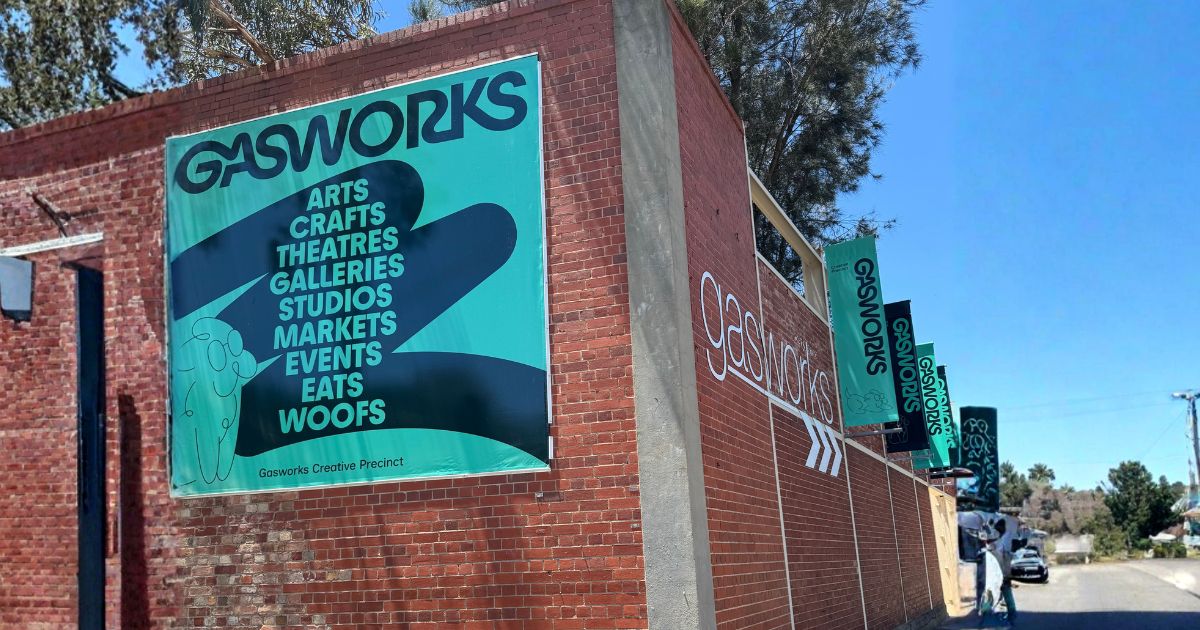
Picture this. You've secured a development site in Maribyrnong. The hoarding isn't up yet. The sales suite is still a week away from opening. The project looks, from the street, like an empty block with a construction fence around it. To everyone walking or driving past, your brand doesn't exist yet.
Now imagine a row of feather flags along the perimeter, your logo and project colours moving gently in the breeze, visible from fifty metres in both directions. Suddenly, the site has an identity. Suddenly, people are slowing down and looking. That's what flags do — and it's why smart businesses, architects, construction firms, and developers across Melbourne's suburbs are using them from day one, not as an afterthought.
Flags are arguably the most underrated tool in the signage toolkit. They're fast to deploy, cost-effective to produce, and when designed properly as part of your broader business signage strategy, they do something that static signs simply can't — they move. And movement catches the human eye every single time.
Why Flags Work — The Psychology Behind the Movement
There's a reason flags have been used to command attention for thousands of years. Movement is one of the most powerful visual triggers the human brain responds to — it's instinctive. A feather flag swaying in the wind along a Docklands construction hoarding, or a row of teardrop flags lining the driveway of a new development in Bundoora, creates the kind of visual energy that a flat banner or a static business signage panel simply doesn't replicate.
For retail businesses, the same principle applies. A café in Brunswick placing a feather flag on the footpath draws pedestrians in better than a sandwich board alone. A gym or fitness centre in Pascoe Vale launching a new membership promotion creates street-level buzz with a couple of branded flags out front. A florist in Kew can mark a seasonal sale event without reprinting any of its core retail signage — just a well-designed flag makes the statement.
Flags don't replace your permanent signage. They amplify it. Think of them as the exclamation mark at the end of your brand sentence.
Types of Flags — Choosing the Right One for Your Purpose
Not all flags are created equal, and choosing the right format matters. Your signwriting team or consultants for signage will steer you in the right direction, but here's a practical overview.
- Feather Flags
These are the tall, curved flags you see outside car dealerships, real estate offices, and event activations. They're lightweight, highly portable, and designed to catch wind from any direction. For businesses that need flexibility — a shoe store in Malvern promoting a sale, a hairdresser in Moonee Ponds drawing attention to a new location, or a pet store in Sunshine running a weekend promotion — feather flags are a go-to. They assemble in minutes, pack down into a carry bag, and can be reused across multiple campaigns.
- Teardrop Flags
Teardrop flags have a more structured, aerodynamic profile. They hold their shape better in strong wind, which makes them particularly well-suited to outdoor sites along busy roads or exposed locations — think a construction site entrance on a main arterial through Footscray or Tullamarine, or lining the driveway of a new development near Melbourne Airport. The teardrop shape keeps the design facing forward consistently, ensuring your logo and messaging stay readable regardless of wind direction.
- PVC Banner Flags and Mesh Banners
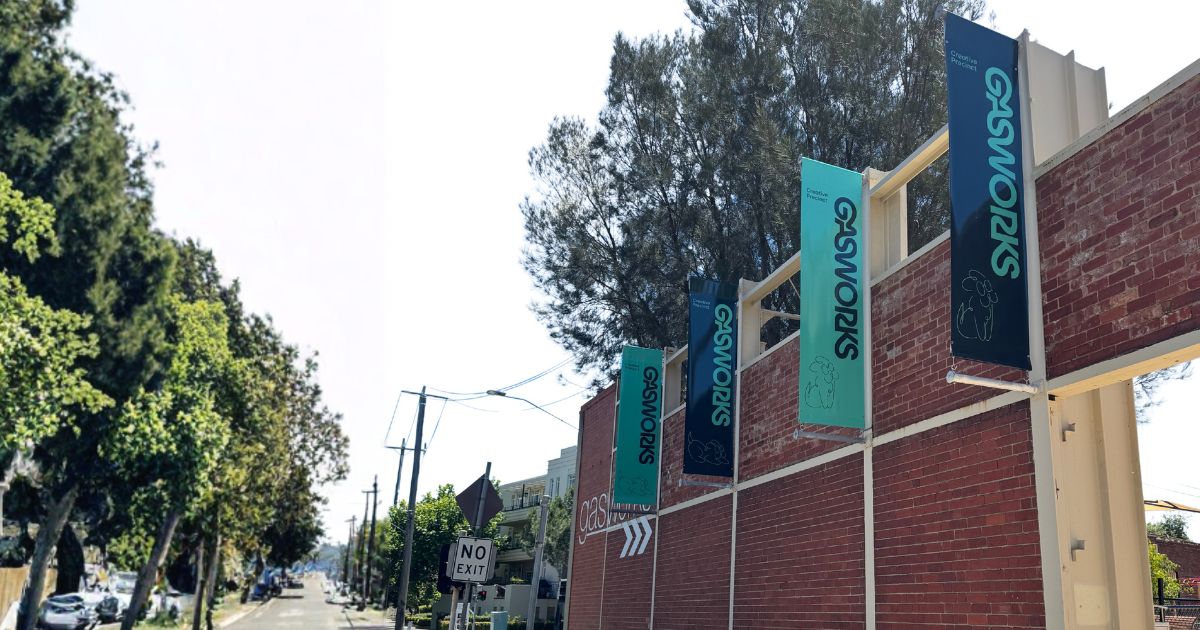
For council and government projects, large-scale site hoardings, or scaffolding runs along busy streetscapes in West Melbourne, Cremorne, or South Wharf, PVC banner flags and mesh banners offer bold, large-format visibility. They're printed as part of your digitally printed signage suite, attach directly to fencing or scaffolding, and deliver the visual presence of a billboard at a fraction of the cost. Combined with directional signs and wayfinding signs at entry points, they create a complete on-site brand experience.
- Traditional Flagpoles
For longer-term sites or premium developments — a high-end residential project in Kew or Brighton, an institutional build in Parkville or Carlton — traditional flagpoles signal permanence and quality. They position the brand as established and serious, which matters when you're marketing to a discerning buyer or stakeholder audience.
Where to Place Flags for Maximum Impact
Getting the placement right is just as important as the flag itself. A single flag lost in the middle of a large site doesn't do much. Placement, repetition, and intentionality are what make flags work as a branding system rather than a decorative gesture.
- Site entrances are non-negotiable. Your entrance is where every visitor, subcontractor, delivery, and potential client first interacts with your brand. Flanking the entry with two matching feather or teardrop flags creates a branded gateway that communicates professionalism and attention to detail from the first second.
- Traffic-facing perimeters deserve particular attention for sites on busy roads. A construction or architect firm working on a major project along routes through Essendon, Coburg, Thornbury, or Northcote has thousands of daily impressions available from passing vehicles. A run of flags along the fence line, combined with a mesh banner and clear directional signs to the sales suite or project office, turns passive exposure into active brand awareness.
- Pathways and pedestrian routes through or adjacent to the site — particularly relevant for mixed-use developments in Fitzroy, Seddon, or Yarraville — benefit from flags that guide as much as brand. Combined with wayfinding signs, they create a coherent journey for anyone approaching the site on foot.
Common Mistakes That Undermine Flag Signage
Even great flags can fail if the execution is off. The most common issues are entirely avoidable.
- Low-resolution artwork is the most frequent culprit. Flags are printed large, and a logo pulled from a website at 72 PPI will look soft and unprofessional at full size. Always supply vector files or high-resolution raster artwork to your signwriting team — the same principle that applies to any digitally printed signage applies here.
- Inconsistent branding across site signage is another problem. If your flags use a different colour palette to your window film and vinyl cut signage, your site banners, and your wayfinding signs, the overall effect is disjointed. Your site's visual identity should be consistent from the hoarding to the sales suite to the flags at the entry — full stop.
- Random placement without logic reduces impact significantly. Flags placed without consideration for sightlines, pedestrian flow, or vehicle approach angles miss the audience they're intended for. Work with experienced consultants for signage to map placement before the flags go in the ground.
- Neglecting maintenance is a slow-burn brand issue. A faded, torn, or tangled flag communicates carelessness — which is the last thing any business wants to project. Budget for replacement flag skins as part of your overall site signage programme, especially for longer-duration projects.
Integrating Flags Into Your Broader Signage Strategy
Flags work hardest when they're part of a coherent, planned signage system. For a construction or development project across suburbs like Ivanhoe, Alphington, Ascot Vale, Avondale Heights, Kingsville, Maidstone, Williamstown, or Port Melbourne, that system might include site hoarding with digitally printed signage, 3D signage on the sales suite, hand painted signs for heritage-sensitive areas, murals along blank walls facing pedestrian traffic, vehicle signage and vehicle wraps on site vehicles, and flags at every key entry and perimeter point.
Every element reinforces every other element. Consistency across all those touchpoints is what converts a building site into a brand — and a brand is what sells properties, attracts tenants, and builds the reputation that wins the next project.
For retail businesses in suburbs like Balaclava, Elwood, Middle Park, Albert Park, St. Kilda, South Yarra, Chadstone, Preston, or Bundoora, the integration looks different but the principle is identical. Flags outside align with window film and vinyl cut signage on the shopfront, wallpaper graphics inside, and retail signage throughout the store. One cohesive visual identity, expressed across every medium.
Conclusion: Put Your Flag Up From Day One
If there's one practical takeaway from everything covered here, it's this: don't wait. Flags should go up on day one — whether that's the first day of construction, the first day of a retail promotion, or the first day a new business opens its doors. Waiting until everything else is in place means missing weeks or months of brand impressions that you'll never get back.
Flags are not a luxury or an optional extra. For any business — from a sandwich bar in North Melbourne to a multi-storey development in Docklands, from a beauty salon in Ascot Vale to an architect firm wrapping up a major project in Truganina — they're one of the fastest, most cost-effective ways to claim visual territory and make your brand impossible to ignore. Work with a skilled signwriter and experienced consultants for signage in Melbourne to plan your flag strategy alongside your broader business signage programme.
Do it early, do it properly, and watch what movement does for your brand.


